

David Heide Design Studio
dhdstudio.com
Chris Christofferson, AIA; Brad Belka, Assoc. AIA; David Heide, Assoc. AIA
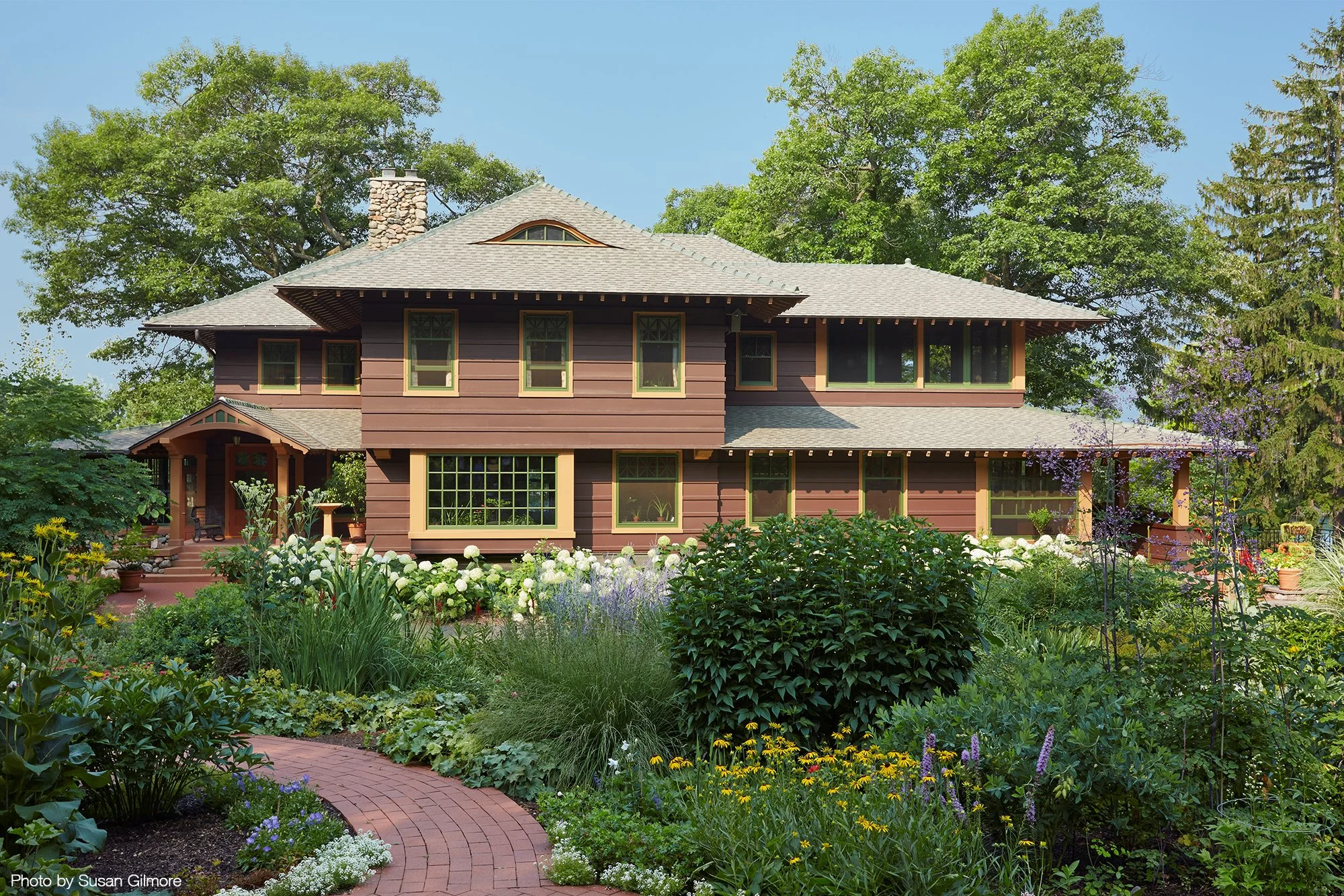
Deephaven Craftsman
Address: 18323 Minnetonka Boulevard, Wayzata, MN 55391
This home is only accessible via shuttle bus. The shuttle will pick up and drop off passengers at St. Therese of Deephaven and stop at both Homes #5 and #6. Follow signage for parking.
Project Type: Remodel & Addition
This 1905 house by Chicago architect Hugh Garden was advertised as yet another Lake Minnetonka teardown. Succumbing to love at first sight, the owner purchased the house in order to save it. Its original design, sweeping porches, and idyllic lake views were inspiration for a redesign that would accommodate modern living, provide for accessibility and aging in place, and ensure the house’s well-being well into the future.
The project entailed a large addition and remodel of all three floors, as well as adding an elevator and wheelchair-accessible bedroom suite. Despite extensive work, the grand building maintains its historic integrity. To manage an addition of over 2,800 livable square feet, the design prioritizes consistent human scale.
A key component of the project is the unique new kitchen, which needed to accommodate nearly a dozen cooks for large gatherings, yet be intimate enough for daily use. Additionally, the site has a new boathouse built in the former location. Treated as an extension of the house, it’s a vital component of the lake experience and serves as both front and back door within its context. The structure draws on precedent from the main residence with authentic rafter tails to unify the character of the property.
Throughout the project, visitors can see that the decorative arts are alive and well. Hand-wrought metalwork, wood carvings, distinctive stone, and custom lighting create an environment of bygone days. But days are far from bygone for this house, preserved now for generations to come.
AIA Framework for Design Excellence: Design for Well-being
This project strongly embodies Design for Well-Being through its emphasis on connection to nature, craftsmanship, comfort, and meaningful human experience. The design promotes physical, mental, and emotional well-being by creating spaces that are restorative, socially engaging, and deeply connected to the surrounding lakeside environment.
Natural light and views were central to the architectural strategy. Carefully composed sight lines throughout the home allow occupants to experience the lake from multiple vantage points, reinforcing a constant connection to nature. Custom, oversized windows in the primary bedroom evoke the feeling of a traditional sleeping porch while encouraging natural ventilation, daylight, and the cultivation of indoor plants, all elements associated with biophilic design and improved well-being. Fresh vegetables and herbs are grown in the outdoor planters built into the attached retaining walls.
Aging-in-place has been accommodated via the addition of a central elevator and wheelchair-accessible bedroom suite. This will allow our client to stay in the house she loves, surrounded by idyllic views and fresh air, for as long as they like.
The home was also designed to support gathering and community. The kitchen accommodates both individual use and collaborative cooking during the homeowner’s Sunday Suppers, fostering social connection and shared experience. Expansive porches and the new boathouse further encourage movement between indoors and outdoors and strengthen engagement with the lakefront setting.
Attention to craftsmanship contributes to emotional well-being through visual richness and harmony. Handcrafted woodwork, art glass, tile, custom lighting, and natural stone create a calming, human-scaled environment rooted in authenticity and permanence.
By preserving and revitalizing a historic home rather than replacing it, the project also contributes to cultural continuity and stewardship. The result is an environment that supports wellness not only through physical comfort and access to nature, but also through beauty, memory, and enduring connection to place.
What is the AIA Framework for Design Excellence? Learn more »